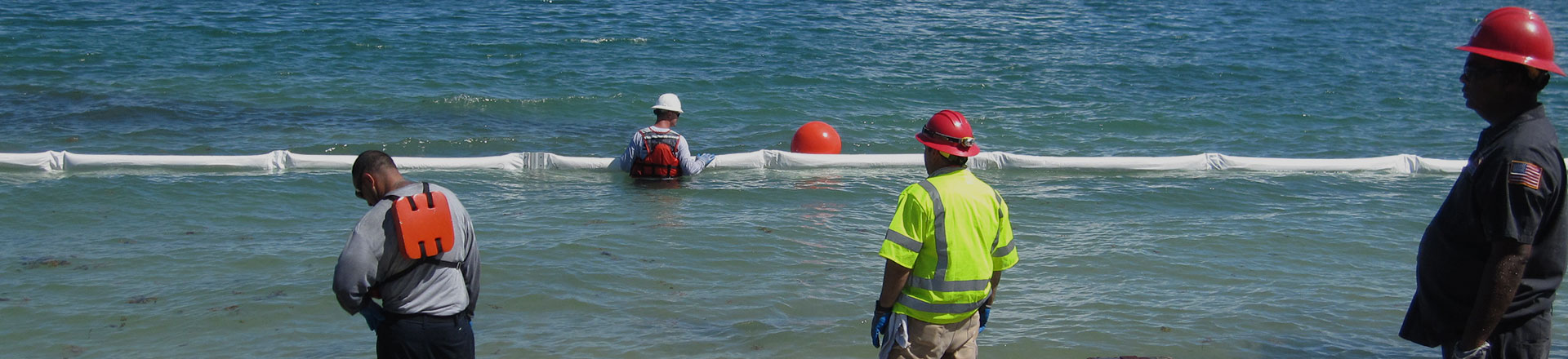
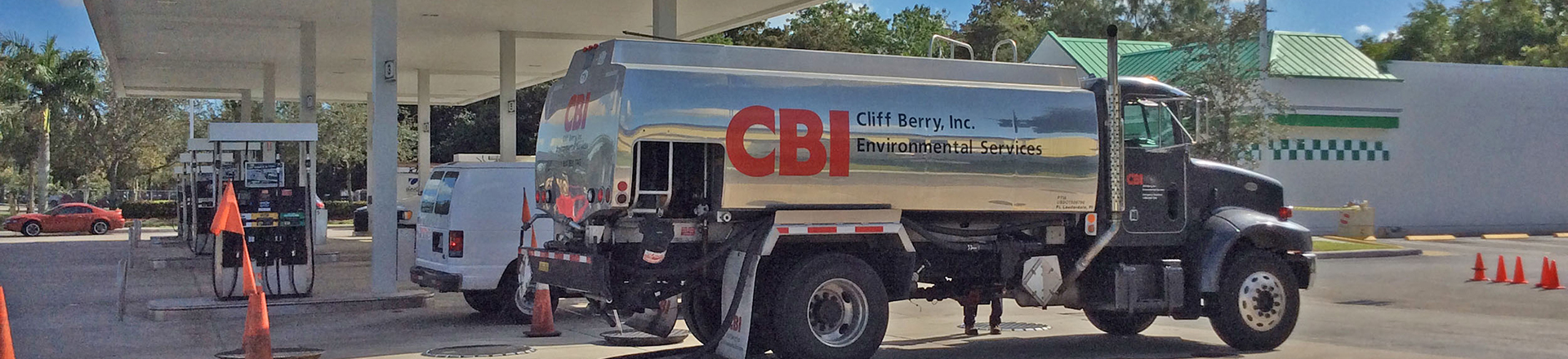
If used oil is handled properly, it can be a valuable resource. If improperly or illegally handled, it can pollute the groundwater and cause problems for future generations. CBI's focus is not only on the customer, but also on our concern for " a better environment for tomorrow."
Oil filter recycling.
Petroleum contact water removal and fuel recovery.
Removal and recycling of contaminated fuels.
Antifreeze Recycling.
Oily rag and absorbent disposal.
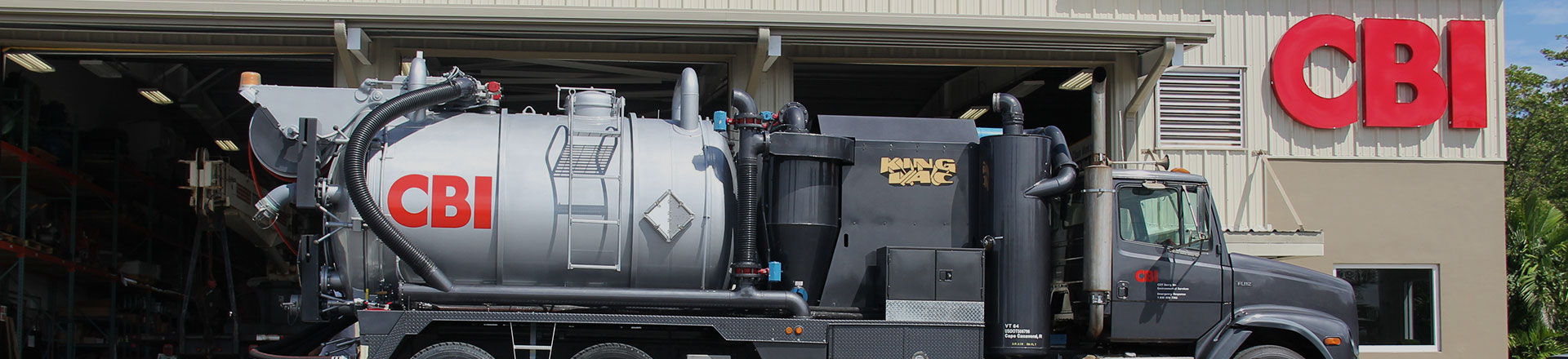
Used oil removal and recycling.
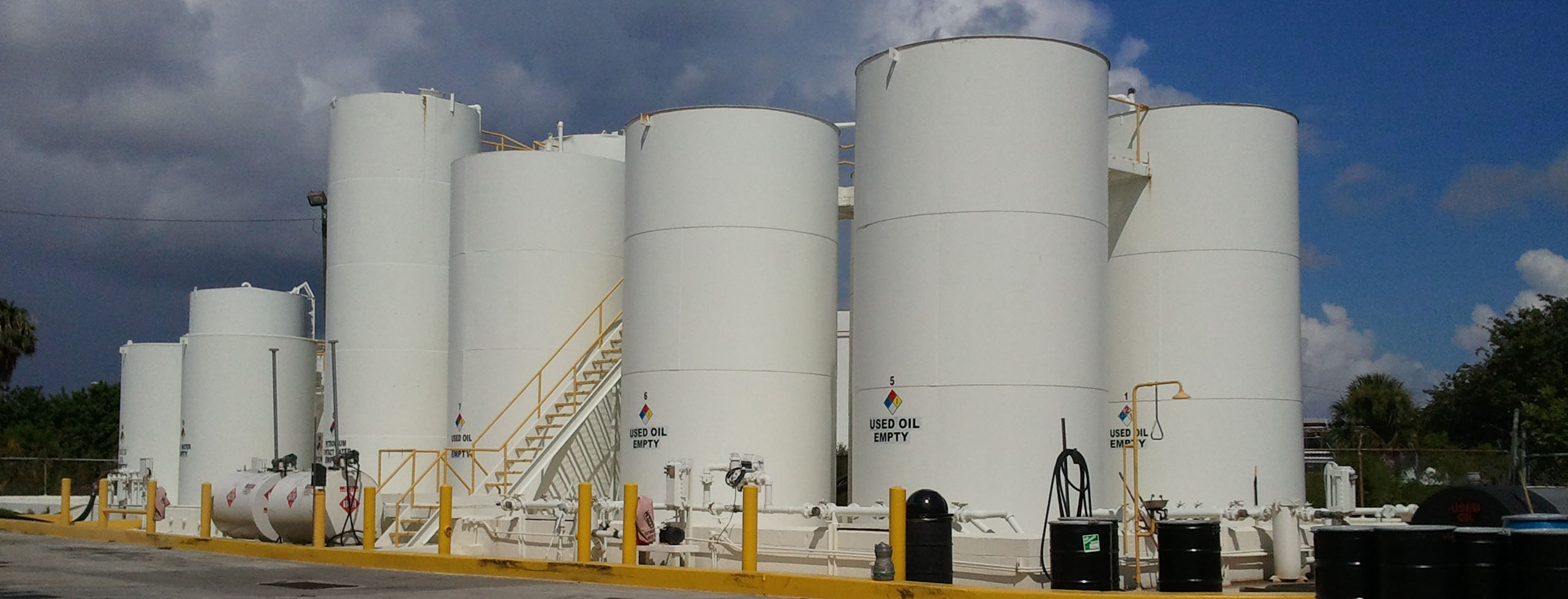
USED OIL AND USED OIL FILTERS .
Disposing of used oil filters isn't as simple as it used to be. Legislation is eliminating the "out of site, out of mind" disposal habits of the past. Yet millions of used oil filters have to end up somewhere each year. CBI can provide you with a 100% environmentally safe solution. If improperly or illegally handled, mismanaged used oil filters can pollute the groundwater and cause problems for future generations. CBI takes the process a step further. Once the oil filters have been collected and recycled, any residual oil is recovered. The filters are melted down for their steel, which is then formed into road side curbs and manhole covers.
ANTIFREEZE COLLECTION & RECYCLING.
CBI has facilities strategically located throughout Florida and can rapidly respond to our customer's needs. At CBI. our state-of-the-art Micro-filtration Antifreeze Recycling System (MARS) produces a premium (ASTMSpec) mixture of glycol to water (50/50) that achieves a freeze point of -34F. CBI's recycled antifreeje meets or exceeds State of Florida requirements for aluminum and copper protection and is compatible with all other major brands of conventional antifreeze on the market. The benefits of recycling used antifreeze are:
- to reduce the cost of purchasing new antifreeze
- to eliminate the cost of testing and disposal of waste antifreeze
- the conservation of natural resources
- the protection of the environment
PETROLEUM CONTACT WATER.
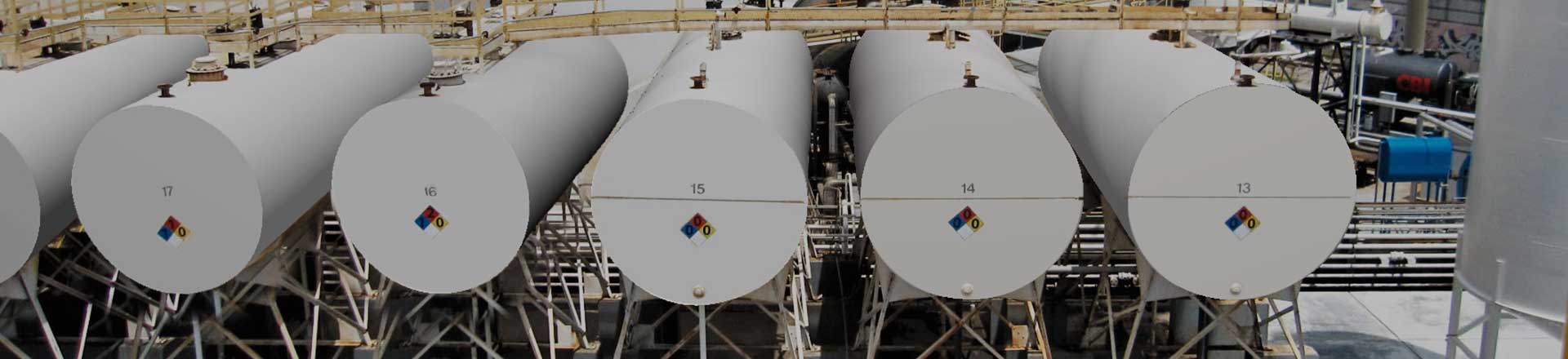
PCW is defined by Florida statute as water that has come into contact with virgin petroleum. Typical sources of PCW are tank bottoms, and containment areas. We remove PCW from locations including underground storage tanks (UST's) at gas stations, above ground storage tanks (AST's) and associated containment areas. PCW is also removed from excavations where UST's have been or are being removed. Once removed, the PCW is taken to our facility in Miami for treatment. Processing capacity is assured since CBI's treatment facility in Miami has a 210,000 gallon per day discharge allocation.
FUEL MICRO-FILTRATION / POLISHING.
Cliff
Berry, Inc. offers Fuel Micro-Filtration / Polishing
for contaminated diesel, gasoline or jet fuel from underground
and/or above ground fuel storage tanks.
Our unique, muiti-stage system is designed and engineered
to remove water, algae, rust, scale and sludge deposits from tank-bottoms.
By using specially designed discharge and vacuum tubes we are
able to capture all of the contaminants from the tank. Once captured,
these contaminants are easily removed and trapped in our multi-stage
filtering system. The fuel is then returned back to your tank,
completely cleaned and safe for distribution.
Fuel Polishing FAQ